Shorter educational videos
Batch 1 · four episodes, about six and a half minutes each
Nick asked for more educational videos on the Fewpips channel, and shorter than the first one. This document is the answer to that ask. It contains the scope and timeline proposal for Veljko to confirm, and four complete production-ready scripts in the same format as the long form brief, so the edit can start the day the scope is signed off. Every episode runs at about half the length of the finished video Nick is comparing against.
1 · Scope and timeline (Veljko to confirm)
What Nick asked for
"Any chance we could get some more done? Maybe not as long?" (Nick, Fewpips Marketing). The finished reference video is The 30-Day Trap, 12 to 14 minutes, roughly 2,050 voice over words. Two things are being asked at once. More volume, and shorter run time.
The recommendation
Option A (recommended). Four episodes, six to seven minutes each, one every week.
- 870 to 970 voice over words per episode. Finished run times are 6:11, 6:17, 6:50 and 6:51, against 12 to 14 minutes for the first video, so every episode is roughly half the length.
- Same pipeline, same voice, same motion graphics engine, same brand kit, so nothing has to be rebuilt.
- Each episode teaches exactly one thing and can be watched with zero knowledge of the first video.
- If Nick wants them shorter still, the lever is beat count and not writing speed. Dropping the one marked beat per episode takes each episode to between five and six minutes without touching the hook, the lesson or the Fewpips beat. The exact beat to drop is named at the end of every script below.
- Episode 1 is the sequel the first video promised on screen, so the channel gets a real binge loop instead of four unrelated uploads.
- All four scripts are already written and attached in this document. Sign off starts the edit, not the writing.
Option B. Six episodes, three to four minutes each.
More uploads, more thumbnails to test. The cost is depth. At three to four minutes every episode loses one teaching beat and the Fewpips audit beat has to be cut to a single line. Recommended only if the goal is upload frequency rather than authority.
Option C. Option A plus eight Shorts.
Two Shorts cut from each finished episode, thirty to forty five seconds, vertical, no new shoot and no new script. The cutdown points are already marked in each script. This is the cheapest reach we can add and it is what feeds the channel between weekly uploads.
Timeline
Dates below assume the scope is confirmed by Wednesday 26 August and that the three long form videos already in production are finished first. If the edit capacity slips, every date slips with it by the same number of days, and the pilot episode still comes first.
| When | What | Who |
|---|---|---|
| T0 | Scope confirmed. Titles and thumbnail direction picked from the options in each episode below. | Veljko, then Nick |
| T0 + 2 days | Pilot edit of episode 1 as a first pass, one look, one lower third system, one animation set. The pilot is the hard part. Episodes 2 to 4 reuse it. | Dusan |
| T0 + 4 days | Episode 1 final, thumbnail, description, chapters, pinned comment. Internal review before anything reaches the channel. | Dusan, AIM review |
| Then every 5 working days | Episode 2, then 3, then 4. Same system, no new design decisions. | Dusan |
| Approx. 4 weeks from T0 | Full batch live. Retention and click through reviewed on episode 1 and 2 before batch 2 is written. | AIM |
Concrete example if T0 lands on 26 August. Episode 1 on 1 September, episode 2 on 8 September, episode 3 on 15 September, episode 4 on 22 September.
Open questions for Veljko before the edit starts
- Four episodes at five to six minutes, or six at three to four? Option A is the recommendation.
- Are the eight Shorts cutdowns in scope for this batch or the next one?
- Who uploads and schedules on the Fewpips channel, and does Nick want to approve each thumbnail or only the batch direction?
- The verify list in section 4. Episode 2 and episode 4 quote drawdown and reset figures that are not in our verified set. Nick or the CRM team need to confirm those exact numbers, or the beats get recorded in the safe generic wording already written into the script.
- Official mascot files. The thumbnail plates in this pack are built without the mascot because the official files are not attached to this task. As soon as they are shared the mascot gets composited in per brand kit.
2 · Series specification
Fewpips Explains
One question per episode. Answered in plain words in under seven minutes. The channel promise is that a trader can search a rule, find a Fewpips video, understand the rule in five minutes, and never feel sold to.
| Item | Spec |
|---|---|
| Length | 6:10 to 6:50 finished. Hard ceiling 7:00. The reference video is 12 to 14 minutes, so this is half. |
| VO words | 870 to 970. Timings in every roadmap below are calculated at 150 words per minute plus six percent for pauses and music beats, which is the pace of the long form read. Grade check on every line, sixth grade reading level. |
| Format | Faceless, narrated, motion graphics. Same voice from the approved stable as the long form. Calm coach with receipts, never hype. |
| Structure | Hook under 50 seconds, three or four teaching beats, one Fewpips beat near the end, outro with the next episode tease. Never more than one Fewpips beat. |
| Teaching to selling | At least 80 percent of the run time is teaching that is true at any firm. The Fewpips beat is short, factual, and reads its own fine print. |
| Brand | Black #0a0a0a, neon green #42ff00, cyan green #00ffc2 on CTAs, Inter and Poppins. No warm colors anywhere. |
| Pipeline | Same Remotion motion graphics engine as the long form, reskinned assets reused. Mascot per brand kit, no humans, no random AI faces. |
| Copy rules | No colons in spoken lines or on screen copy. No em dashes. "Fewpips" always, never "FewPips". All caps FEWPIPS allowed in graphics. |
| Every episode ends with | Simulation disclosure card, no profit promise line, next episode card, channel lockup "Funded by Discipline". |
Series arc
| Ep | Question it answers | Why it is in batch 1 |
|---|---|---|
| 1 | Why do disciplined traders blow accounts in ten minutes | The first video promised this one on screen. Continuity payoff and the strongest hook of the four. |
| 2 | What is a daily loss limit and what is a trailing drawdown | The single most searched rule in the niche and the number one reason accounts end. |
| 3 | What is a consistency rule and how do I plan around it | Real support question from Fewpips traders. Fewpips has a number here, so honesty is easy and the answer is checkable. |
| 4 | What actually happens when I hit withdraw | The honesty stunt from the long form was the most screenshot friendly moment. This turns it into its own episode. |
2b · What is in this pack
| File | What it is |
|---|---|
| proposal.html | The client facing one pager. Same scope and timeline, no internal names, no capacity notes. This is the link that goes to Nick once Djordje approves. |
| index.html | This document. The scope proposal, the series spec and all four scripts. Opens in any browser, no download needed, which is the one thing that was awkward about the long form brief. |
| checklist.html and the PNG | The one page Challenge Checklist lead magnet, built and ready. It is the link that goes in all four video descriptions. Rendered at print size so it can go out as an image or a PDF. |
| Fewpips_batch1_scripts.txt | All four scripts as plain text, beat by beat, voice over and visuals. This is the file to paste straight into Claude for the edit. |
| Four thumbnail plates | Direction A for each episode, generated on brand, black and green and white only, no warm colors. These are direction plates, not finals. Final text is composited in the edit per brand kit, and the mascot goes in as soon as the official files are supplied. |
Thumbnail plates, direction A per episode
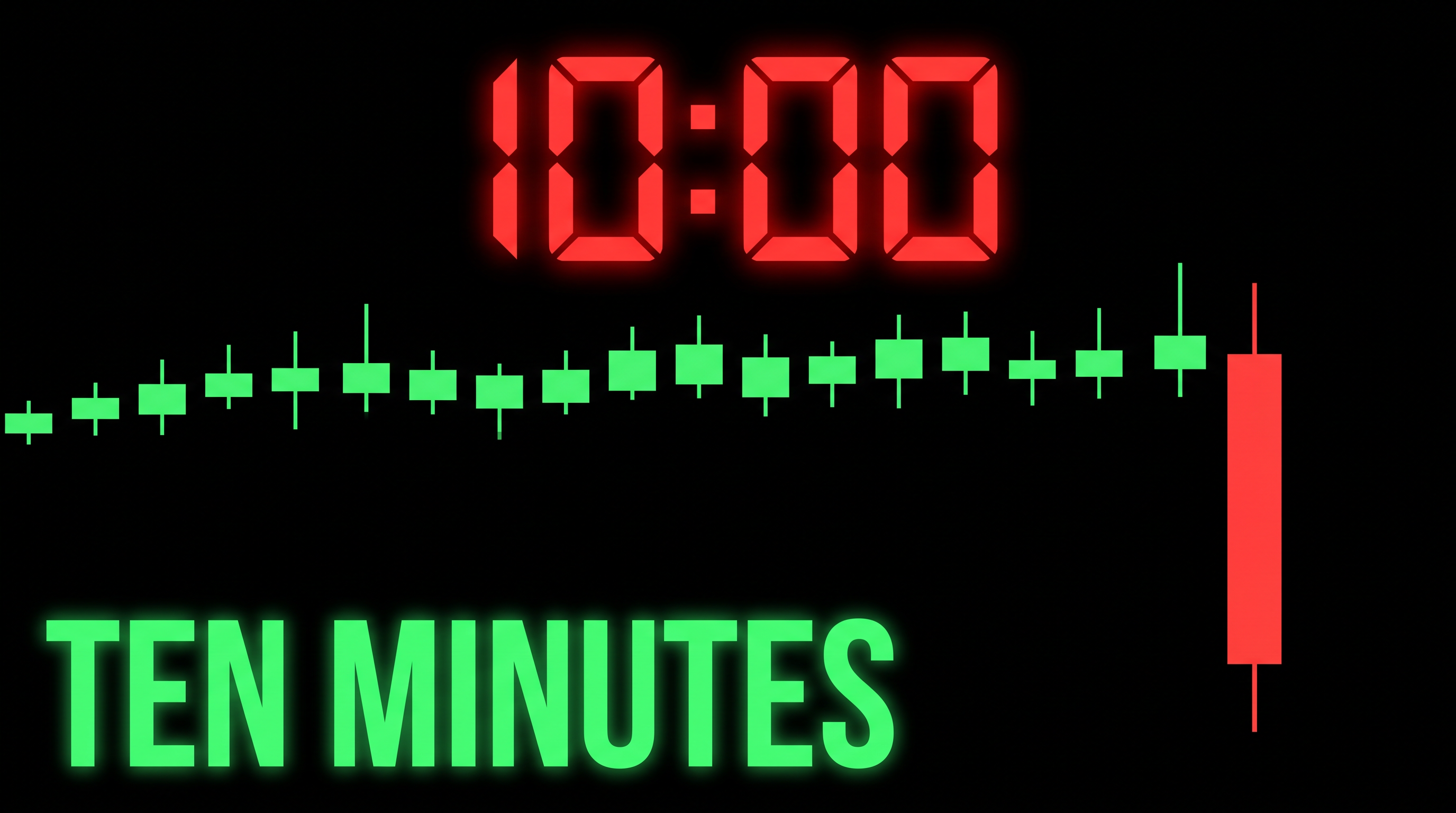
Episode 1 · TEN MINUTES
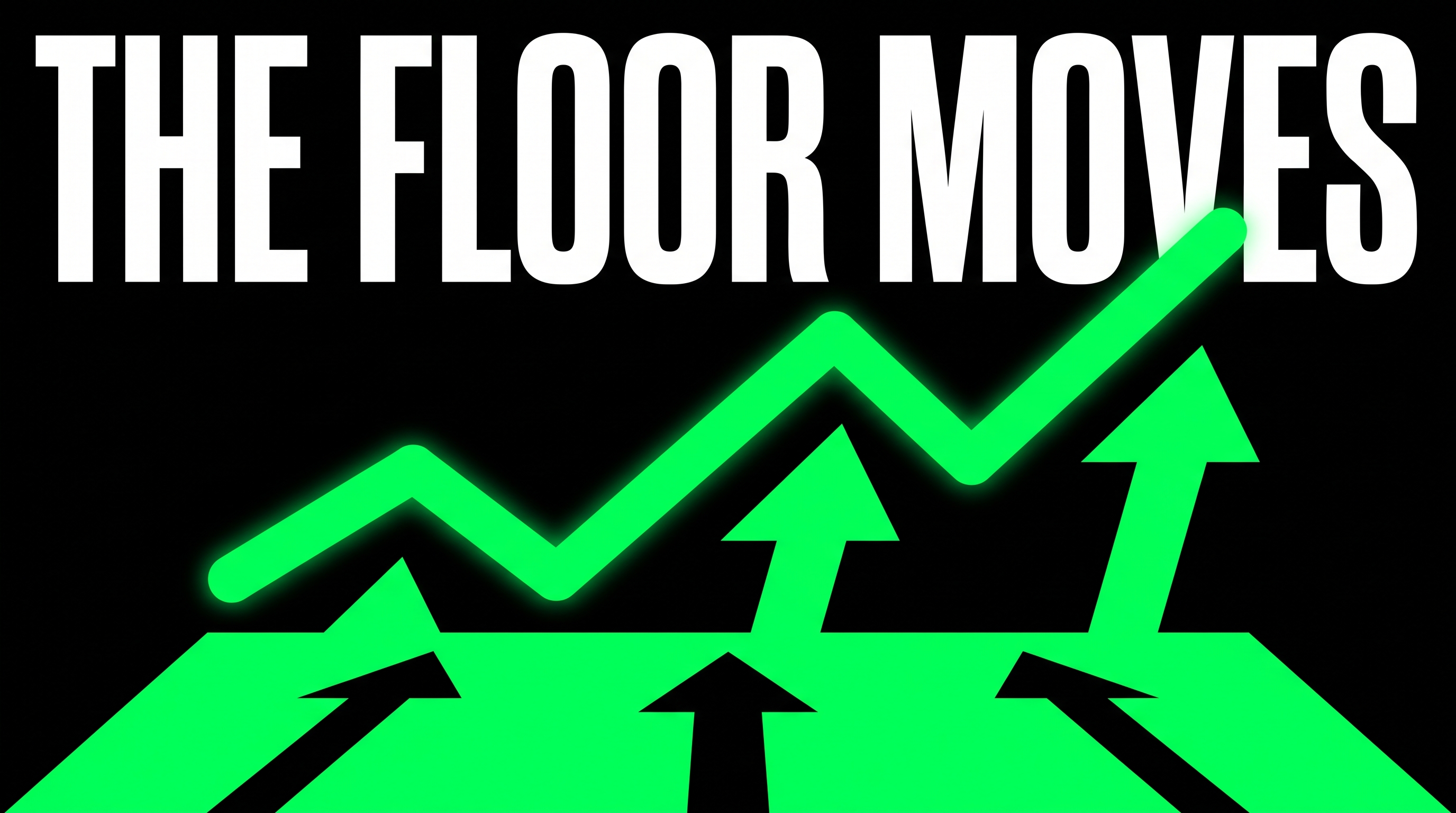
Episode 2 · THE FLOOR MOVES

Episode 3 · TOO BIG
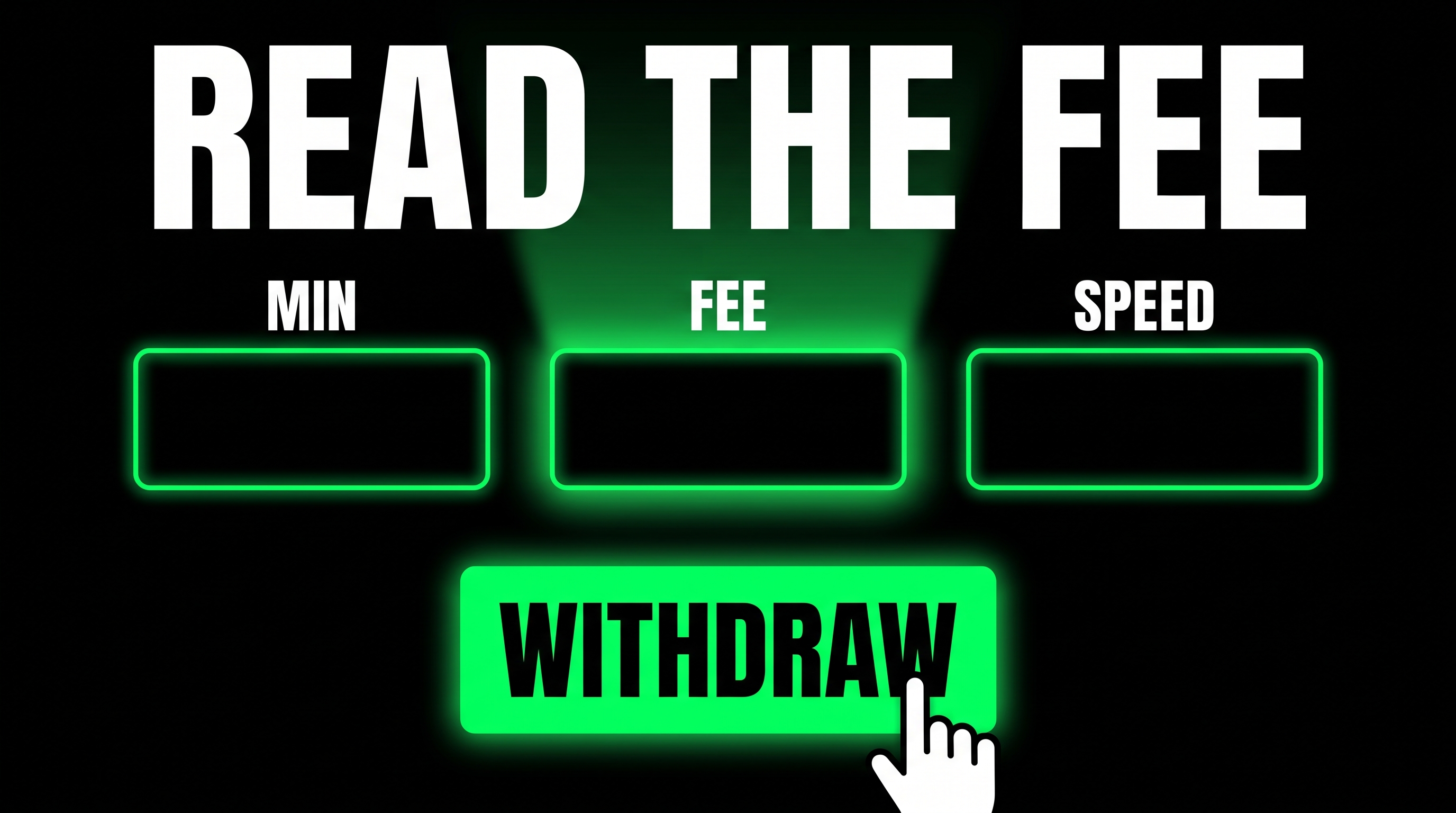
Episode 4 · READ THE FEE
Direction plates only. Final text is composited in the edit per brand kit, numbers never get baked into a plate, and the mascot goes in once the official files are supplied.
The Third Trap
6:50 finishedmotion graphicssequel to The 30-Day Trap
Concept
The first video ended with a promise on screen. Two traps live on a website and a third one lives in your own head. This episode pays that promise off. It is the anatomy of the revenge trade, told as a ten minute window that opens the second a loss closes, and it hands the viewer three rules that work without willpower. The villain is not the market and it is not a firm. It is the ten minute window, drawn as a countdown that is already running before the trader notices it.
This is the pilot of the batch because it inherits an audience from the long form, it needs no product knowledge at all, and the payoff is three rules a viewer can screenshot. The Fewpips beat is forty seconds long and it starts by saying a firm cannot fix your head.
Why it works
- Widest possible entry. Everyone has tried to win something back. No trading knowledge needed for the first two minutes.
- Continuity. The long form promised this exact video, so the end card of video one becomes the click of video two.
- The four tells section is a mirror. Viewers who recognise themselves stay to the rules.
- The rules are numbered, boring and instantly usable, which is what gets a video saved and re-shared in Discord.
- Honest framing. A prop firm saying "a firm cannot fix your head" buys the credibility that the product beat then spends.
Packaging
No colons in titles or thumbnail text.
- Why Disciplined Traders Blow Accounts In Ten Minutes
- The Trap That Is Not In Any Rulebook
- Revenge Trading Explained In Five Minutes
Thumbnail directions. A, a ten minute countdown burning down over a flat chart, one oversized red candle already forming underneath it, text "TEN MINUTES" in neon green on black. B, two identical trade tickets side by side, the left one normal size in white, the right one doubled and glowing red, text "WHY WE DOUBLE". Mascot composited in per brand kit once the official files are supplied, fear expression on A, pointing on B.
Description, first two lines. "A small loss is not what ends accounts. What ends accounts is the ten minutes after it. Here is the anatomy of the revenge trade and the three rules that switch it off."
Chapters. The Third Trap / Why A Loss Hits Twice As Hard / The Ten Minute Window / Why It Is Worse On A Funded Account / The Three Rules / Your Move.
Visual roadmap
| Time | Scene | What we see | Feel and sound |
|---|---|---|---|
| 0:00-0:52 | Hook | Callback flash of the red clock from video one, then it is crossed out. A small red loss closes. A ten minute countdown starts in the corner. Doubled trade ticket slams in. | Recognition. Low pulse, hard hit on the doubled ticket, silence on "that is the third trap". |
| 0:52-1:58 | Loss hurts twice | Two identical bars, a green win and a red loss, the red one twice as tall. A clock face reading 24/5 with an always open button under it. Caption card "a mood with a position size". | Uncomfortable truth. Warm low drone. |
| 1:58-2:56 | The window and the four tells | The ten minute countdown fills a third of the screen. Four tells stamp in as cards with icons, profit and loss eye, size slider, unknown market, flat line. Plan document visibly edits itself. | Mirror. Ticking enters, one stamp per tell, beat synced. |
| 2:56-3:54 | Funded stakes | Personal account as a bouncing ball that recovers. Funded account as a ball over a hard floor labelled daily loss limit and total loss limit. Two doubled trades walk it into the floor before lunch. Screen locks. | Cold. Ticking stops dead on the lock. |
| 3:54-5:15 | The three rules | Three numbered cards stamping in. Two strike counter. The wall and the fence diagram, fence at half the wall height. A one line trade note being written, setup, entry, stop, size. | Empowerment. Uplift track, stamps on the beat. |
| 5:15-6:28 | Fewpips beat | Line one on black, "a firm cannot fix your head". Then the countdown from video one dissolves out with a small "minimum standard" tag, not celebrated. Rules table mockup with every limit printed as a number. Disclosure card. | Respect. Music pauses on the no promise line. |
| 6:28-6:50 | Outro | Sticky note with the two rules, next episode card showing a wall and a moving floor, brand lockup. | Calm resolve. |
The script
Voice from the approved stable. Calm, credible, never hype. Every line sixth grade. Short sentences. No colons spoken.
HOOK (0:00-0:52)
"In the last video we named two traps. The clock, and the rules that only show up on payday. Both of those live on a website. You can read them before you pay. This one does not. This one lives in your head, and it can end an account in about ten minutes. Here is what it looks like. A trader takes a small loss. Two minutes later he is back in at double his normal size, in a market he never trades, telling himself he is just getting back to flat. That is the third trap. Today you get the anatomy of it, the exact window when it fires, and three rules that switch it off without any willpower at all."
- the red clock from video one flashes for half a second, then a green cross lands on it
- a small red loss closes on a clean chart, a ten minute countdown appears in the corner, quiet
- the doubled trade ticket slams in oversized (hit), then everything cuts to black on "the third trap"
BEAT 1 · WHY A LOSS HITS TWICE AS HARD (0:52-1:58)
"Start with the part nobody says out loud. Losing hurts more than winning feels good. Ask any trader who lost two hundred dollars on Monday and made it back on Tuesday. The loss is the one still on their mind on Sunday. That is not weakness. It is how people are built.
Now add the thing that makes trading different from almost every other job. You can act on that feeling right away. No manager. No cooling off period. The button is right there and the market is open all day and all night. So the pain shows up, and one click away sits something that looks like a cure. Take it back. Right now.
The trader is not trying to make money in that moment. He is trying to stop feeling something. That is the whole trap in one sentence. A revenge trade is not a trade. It is a mood with a position size."
- two bars side by side, a green win and a red loss of the same amount, the red bar grows to twice the height
- a calendar week, the loss bar still glowing on Sunday
- an always open button pulsing under a 24/5 clock, no manager icon, no cooling off icon, both crossed out
- quote card on black, "a mood with a position size" (screenshot moment)
BEAT 2 · THE TEN MINUTE WINDOW (1:58-2:56)
"The trap has a window and it is short. It opens the second the losing trade closes and it stays open for about ten minutes. Inside it your plan does not disappear. It gets edited. Quietly.
Here are the four tells. One. You are checking your profit and loss more than you are checking the chart. Two. Your size goes up and the reason for it is the number, not the setup. Three. You take a market you never trade, because it is the one moving right now. Four. You catch yourself thinking, just get back to flat and then I will stop.
Nobody stops at flat. Getting back to flat feels like being rescued, and being rescued feels like proof the whole thing works. So the next loss gets the same treatment. With more size."
- the ten minute countdown grows to fill a third of the frame, ticking enters
- the written plan document visibly rewrites its own risk line (subtle, creepy)
- four tell cards stamp in on the beat with icons, profit and loss eye, size slider dragged up, an unfamiliar ticker, a flat line labelled BACK TO FLAT
- the flat line card cracks and doubles into a bigger red loss
BEAT 3 · WHY IT IS WORSE ON A FUNDED ACCOUNT (2:56-3:54)
"On your own money this is expensive. On a funded account it is final, and here is the mechanical reason.
Your own account can go down and come back next month. A funded account has a floor written into the rules. A daily loss limit, the most you can lose in one day. And a total loss limit, the most you can lose overall. Those are not suggestions and they do not care why you were down.
Two revenge trades at double size can walk you into the daily limit before lunch. The platform closes the day for you, or closes the account. So look at what is on the table in that ten minute window. Not a bad day. The account, the fee you paid for it, and the two good months it took to get there."
- personal account drawn as a ball that dips and recovers over time
- funded account as the same ball over a hard floor, two labelled lines, daily loss limit and total loss limit
- two doubled trades push it straight through the floor, clock reads before lunch
- screen lock graphic, ticking stops dead, silence
- three items fade up on black, the account, the fee, two months of work
BEAT 4 · THE THREE RULES (3:54-5:15)
"So here are three rules. They are boring, and boring is the point. You cannot out think this trap while it is happening. You have to make the decision earlier, while you are calm.
Rule one. The two strike rule. Two losing trades in a row and the screen goes off for the day. Not a break. Not one more look. Off. It is the most reliable sign that your read and the market are out of sync today. Every broken account in history walked past this exact moment.
Rule two. Build your own fence inside the firm's wall. Find the daily loss limit in your rules and cut it in half. The firm's number is the wall. Your number is the fence. Now a bad day is only a bad day, and you can never hit the wall by accident.
Rule three. Write the trade before you take it. One line is enough. The setup, the entry, the stop, the size. If you cannot write that line in ten seconds, you do not have a trade. You have a feeling. Feelings are free to have and very expensive to click."
- three numbered cards, one stamping in per rule, uplift track
- rule one, a two strike counter, the second strike turns the screen off, room goes dark
- rule two, the wall and fence diagram, the fence drawn at exactly half the wall height, the ball bounces off the fence and never reaches the wall
- rule three, a one line note being typed, setup, entry, stop, size, then a ten second timer
- quote card, "feelings are free to have and very expensive to click"
FEWPIPS BEAT (5:15-6:28)
"Now the honest part about the platform side of this. A firm cannot fix your head, and any firm that says it can is selling you something. Two things can be made easier.
First, the deadline. There is no time limit on a Fewpips challenge, so a slow week is just a slow week and no countdown is pushing you toward that ten minute window. To be fair, most decent firms have dropped their clocks by now, so treat that as the minimum standard and not a reason to choose anyone.
Second, the one that makes rule two possible. Every limit is printed as a number before you pay. The targets, the daily loss limit, the total loss limit, per path and per account size. You cannot build a fence at half the wall if nobody will tell you where the wall is.
And one thing Fewpips will never promise you, and neither will I. Profit. That depends on your trading. What can be removed is the clock, the surprise and the excuse."
- line on black, "a firm cannot fix your head"
- the red clock from video one dissolves away with a small MINIMUM STANDARD tag, deliberately not celebrated, quick beat
- rules table mockup in brand style, every field a number, the fence being drawn at half the printed daily limit
- music pauses, no promise line on screen, then the disclosure card, "simulated capital, real performance rewards, no profit promises"
OUTRO (6:28-6:50)
"Write two lines on a sticky note tonight. Two strikes then stop. Half the limit is my limit. Next episode we go to the wall itself. The daily loss limit and the trailing drawdown, and why being up money can quietly shrink the room you have left. Discipline pays. See you there."
- sticky note with the two lines, handwritten style, brand green
- next episode card, a floor that rises as the balance rises (tease of the trailing drawdown reveal)
- brand lockup, "Funded by Discipline", disclosure line held on screen
Retention notes
- Open loop at 0:25, "the exact window when it fires", closed at 1:40.
- Mirror moment at 1:55, the four tells. This is the retention spike to check in analytics.
- Villain, the ten minute countdown. One consistent design, small in the hook, a third of the screen in beat 2, gone after the rules.
- Callback, the red clock from the long form appears twice, crossed out in the hook and dissolved in the Fewpips beat.
- Quote screenshots engineered, "a mood with a position size" at 1:35 and "feelings are free to have and very expensive to click" at 4:55.
Five minute version. If Nick wants this shorter, cut Beat 1, why a loss hits twice as hard. Finished run time becomes about 5:43. The hook already implies it. Move the single line "a revenge trade is not a trade, it is a mood with a position size" up into the hook and cut the rest of the beat. The four tells then land twenty seconds earlier, which helps retention rather than hurting it.
The Rule That Ends Most Accounts
6:51 finishedmotion graphicshighest search intent of the batch
Concept
Daily loss limit, total loss limit, and the difference between a static floor and a trailing one, explained in plain words with one worked example a beginner can copy. The reveal in the middle is the trailing drawdown, drawn as a floor that rises underneath a trader who is winning. Most traders in this niche have met the words and have never seen the picture. Ends with three questions to answer on any firm's page before paying.
This is the search engine episode. People type these words into YouTube every day, so this one earns views for years rather than in week one.
Why it works
- Pure search intent. The title is the query.
- The trailing floor animation is the kind of visual that gets clipped and reposted, because the concept is genuinely hard to picture and easy to animate.
- One arithmetic example, done slowly, makes a beginner feel competent inside two minutes.
- The three questions turn a lesson into a tool, exactly like the five question audit did in the long form.
Packaging
- The Rule That Ends Most Prop Firm Accounts
- Daily Loss Limit And Trailing Drawdown Explained
- Your Winning Week Can Shrink Your Account. Here Is How.
Thumbnail directions. A, a trader standing on a chart line going up while the floor below rises faster toward his feet, text "THE FLOOR MOVES". B, two identical accounts side by side, one with a fixed floor and one with a rising floor, big green tick and big red cross, text "STATIC OR TRAILING". Brand rules unchanged, black and green and white only.
Description, first two lines. "Two traders run the same strategy at the same firm. One passes and one is locked out on day nine. The difference is one number and how that number moves."
Chapters. The Number Nobody Checks / The Two Walls / Do The Math Once / Static Or Trailing / Three Questions Before You Buy / Your Move.
Visual roadmap
| Time | Scene | What we see | Feel and sound |
|---|---|---|---|
| 0:00-0:48 | Hook | Two identical charts, same strategy, split screen. One reaches a green PASSED stamp, one hits a red LOCKED stamp on day nine. Question mark between them, then a floor tile lifts slightly. | Curiosity. Pulse, hit on LOCKED, silence on "the floor moves". |
| 0:48-1:49 | The two walls | A room drawn in section. A painted line on the floor labelled daily loss limit. The floor itself labelled total loss limit. Stepping on the line ends the day, breaking the floor ends the account. | Clear and calm. Simple ticks per label. |
| 1:49-2:49 | The math, done once | Three boxes fill in on screen, account size, daily limit percent, risk per trade. Numbers resolve to the example figures. Ten loss counters, then the fence from episode 1 returns and cuts it to five. | Competence. Calculator ticks, satisfying. |
| 2:49-4:10 | Static or trailing | Side by side accounts. Left, a fixed floor stays put while the balance climbs, the gap grows. Right, the floor climbs with the balance, the gap stays the same forever. Caption "the room never grows". | The reveal. Drone rises with the moving floor, cut on the caption. |
| 4:10-5:17 | Three questions | Three cards stamp in. Static or trailing. Closed trades or live number. Reset hour and time zone. Each with a small worked illustration, including one trade that dips and recovers. | Empowerment. Uplift, beat synced stamps. |
| 5:17-6:28 | Fewpips beat | Pricing and rules mockup, numbers printed in the open, "$59" and "up to $200,000 simulated" highlighted. The three questions overlay the page and get ticked by the viewer, not by us. Disclosure card. | Respect. Music thins out under the disclosure. |
| 6:28-6:51 | Outro | Checklist card, next episode card showing a calendar with one huge day, brand lockup. | Calm resolve. |
The script
HOOK (0:00-0:48)
"Most challenge accounts do not end because of a bad strategy. They end because of one number, and almost nobody does the math on it before they pay. Two traders can run the same strategy, at the same firm, in the same month. One passes. One is locked out on day nine. The difference is not skill. One of them knew where the floor was, and whether the floor moves. Because on some accounts the floor moves up underneath you while you are winning. Five minutes from now you will understand both loss limits, you will have done the math once, and you will have three questions to ask before you buy anything."
- split screen, two identical equity curves, same colour, same shape
- left lands on a green PASSED stamp, right lands on a red LOCKED stamp dated day nine (hit)
- a single floor tile lifts an inch under the right trader, held in silence
BEAT 1 · THE TWO WALLS (0:48-1:49)
"Every funded account has two limits and they do two different jobs. The daily loss limit is the most you are allowed to lose in one day. Touch it and the day is over. Some firms just close your trades for the day. Some end the account. The total loss limit, often called the maximum drawdown, is the most you are allowed to lose overall, counting from the start. Touch that one and there is no next day. Picture a room. The daily limit is a painted line on the floor that you must not cross today. The total limit is the floor itself. You can walk near the line many times and survive. You go through the floor once, and it is finished. Both numbers should be printed in your rules, in money or as a percent, before you pay a fee."
- the room in cross section, painted line and floor labelled clearly
- foot approaches the line, day ends, lights dim, next day lights come back
- floor cracks and the whole room falls away, no next day
BEAT 2 · DO THE MATH ONCE (1:49-2:49)
"Do the math once, before you trade, not while you are in a trade. Say a firm sets the daily limit at five percent, and you take a fifty thousand dollar account. Five percent of fifty thousand is two thousand five hundred dollars. That is your painted line. If you risk half of one percent per trade, that is two hundred and fifty dollars, so ten losing trades in a row would end your day. Ten sounds like plenty, until you remember rule two from the last episode. Cut it in half. Your own stop is now one thousand two hundred and fifty dollars, which is five losing trades in a row, and you can never touch the firm's number by accident. Those figures are an example so you can see the method. Your firm's real numbers go in the same three boxes."
- three input boxes fill in one at a time, calculator sound per box
- 2500 resolves, then ten loss chips line up
- the fence graphic from episode 1 slides in and cuts the row to five, caption "the fence, not the wall"
- caption "example figures, use your own"
BEAT 3 · STATIC OR TRAILING (2:49-4:10)
"Here is the part almost nobody explains, and it is why two traders with the same strategy get different endings. Total loss limits come in two kinds. A static limit is measured from the money you started with. Start at fifty thousand with a ten percent total limit, and your floor sits at forty five thousand. It stays there. You climb to fifty five thousand and the floor is still forty five thousand. Every dollar you make is extra room to breathe. A trailing limit follows you up. Same start, same ten percent, floor at forty five thousand. You trade well and reach fifty five thousand. Now the floor climbs with you, up to fifty thousand. In plain words. You made five thousand dollars, and you can still only lose five thousand dollars before the account ends. Exactly like day one. The room never grows. Trailing limits are not a scam. They are a real risk tool and serious firms use them. But you have to know which one you bought, because a moving floor changes when you take profit, when you size up, and whether you hold a winner overnight."
- left panel, fixed floor, the gap between balance and floor visibly widening, green
- right panel, the floor rising in lockstep, gap constant, the trader's feet never get further from it
- a ruler measuring the gap on both sides, same number on the right forever
- caption on black, "the room never grows"
- small fair play card, "trailing is a real risk tool, not a trick, know which one you bought"
BEAT 4 · THREE QUESTIONS BEFORE YOU BUY (4:10-5:17)
"Three questions. Any firm. From your couch. Before you pay. Question one. Is the total loss limit static or trailing? If the page does not tell you, you have still learned something. Not about the rule, about the firm. Question two. Is the limit measured on closed trades, or on your live number while a trade is still open? This one catches good traders. If it is measured live, a trade that dips before it works can end an account that never actually lost that money. Question three. When does the day reset, and in which time zone? A daily limit means nothing until you know the exact hour it starts again. If your session sits across the reset, one bad run can spend the same loss twice. Write those three answers next to the price before you buy. If you cannot find all three on the website, that is more useful information than the price is."
- three cards stamping in, each with a small illustration
- Q2, a trade that dips below the line then recovers to profit, the account already locked at the dip (the aha shot)
- Q3, a clock with a reset marker, one session straddling it, the same loss counted in two boxes
- a notepad, price on the left, three answers on the right
FEWPIPS BEAT (5:17-6:28)
"On Fewpips these numbers are printed before checkout, per path and per account size, right next to the profit targets. Challenges start at fifty nine dollars, and account sizes run up to two hundred thousand dollars in simulated capital. Simulated means the trading runs in a practice style environment with virtual funds, while the rewards you earn are real money. There is no time limit either, so a slow week is just a slow week. By now that is the minimum standard at any decent firm rather than a reason to pick one. Do not take my word for the limits. Take the three questions you just learned, open the rules page, and answer them yourself. Static or trailing. Closed or live. The reset hour. That is the whole point of this channel, and it applies to us exactly the way it applies to everyone else. Nobody here is promising you profit. What is on offer is every rule as a number, printed before your money moves."
- rules and pricing mockup rebuilt as motion graphics in brand style, never a screenshot of the live site
- "$59" and "up to $200,000 simulated" highlighted, numbers printed in the open
- the three question cards overlay the page and a cursor ticks them, viewer does the ticking, not us
- music thins, disclosure card, "simulated capital, real performance rewards, no profit promises"
OUTRO (6:28-6:51)
"Two limits. One math check. Three questions. Do that before your next purchase and you have removed the most common way this ends badly. Next episode is the rule that catches traders after they have already passed. The consistency rule, in plain English, planned around a calendar with a calculator. Discipline pays. See you there."
- checklist card summarising the three questions, link line for the written version
- next episode card, a calendar month with one enormous green day sticking out of it
- brand lockup, disclosure line held
Verify before record. This episode intentionally does not read out Fewpips daily or total loss numbers, the static or trailing answer, or the reset hour, because those are not in the verified set held by AIM. If Nick or the CRM team confirm them in writing, the Fewpips beat gets stronger and the wording changes to read the numbers out loud, the same way the long form read the fees. Until then the beat stays exactly as written above, which is safe and, honestly, more persuasive.
Five minute version. If Nick wants this shorter, cut Beat 2, do the math once. Finished run time becomes about 5:52. The worked example is the most useful part of the episode for a beginner, so this is the reluctant cut. Keep the fence callback as one sentence inside beat 1 and push the full math into the pinned comment and the one page checklist.
The Consistency Rule In Plain English
6:17 finishedmotion graphicsreal Fewpips support question
Concept
The rule that meets traders after they have already won. What a consistency rule is, why it exists when you look at it from the firm's side of the desk, the numbers versus words test from the long form, and then one calculation that lets a trader plan a whole month around it. Fewpips has an actual number here, forty percent on funded CFD accounts and fifty on futures, so this episode can be completely specific without inventing anything.
This topic came in as a live support question from Fewpips traders, which means the answer belongs in a video, a blog post and the support bot at the same time. Same script, three surfaces.
Why it works
- Fear plus relief. The cold open is the payout that did not arrive, the payoff is a calculation that makes it impossible to be caught out.
- Steelmanning the rule from the firm's point of view is the trust move. Almost nobody in this niche does it, and it makes the later Fewpips beat land as fact rather than defence.
- One divide by zero point four. That is the entire method, and it works at any firm with any percentage.
- Support deflection. Every trader who watches this is one fewer ticket for the desk.
Packaging
- The Consistency Rule Explained In Five Minutes
- Why Your Payout Says Under Review
- One Big Day Can Pause Your Payout. Here Is The Math.
Thumbnail directions. A, a calendar month where one day is a huge green tower and the rest are small, a magnifier over the tower, text "TOO BIG". B, a payout screen reading UNDER REVIEW with a calculator next to it, text "THE 40 PERCENT LINE". Numbers on screen must match the verified set.
Description, first two lines. "You passed, you are up, and the payout says under review for consistency. Here is what that rule is, why it exists, and the one calculation that keeps you on the right side of it."
Chapters. Under Review / What The Rule Actually Says / Numbers Or Words / The One Calculation / Three Habits / Your Move.
Visual roadmap
| Time | Scene | What we see | Feel and sound |
|---|---|---|---|
| 0:00-0:42 | Hook | Green month, payout click, PAYOUT REQUESTED flips to UNDER REVIEW FOR CONSISTENCY. Freeze frame. | Cold drop. Hit on the flip, then silence. |
| 0:42-1:46 | What it says and why | A month of small green bars with one huge tower. Then the camera swings to the other side of the desk, the same statement seen by the firm, two possible stories behind one tower, a skilled read and a lucky oversized punt, drawn identically. | Fairness. Warm pad, no drone. This beat is not an attack. |
| 1:46-2:39 | Numbers or words | The split screen from the long form returns. Left, a calculator and "40 PERCENT". Right, a gavel over the word irregular. | Recognition for returning viewers. Sharp cut. |
| 2:39-3:57 | The one calculation | Chalkboard style. Best day divided by zero point four equals the total you need. 600 divided by 0.4 resolves to 1500. Then reversed, 40 percent of 2000 equals 800 as a ceiling. Progress bar showing "not blocked, early". | Competence. Calculator ticks, one satisfying resolve per number. |
| 3:57-4:55 | Three habits | Three cards. Identical risk chips every day. A hot day being banked and the screen closing. A red crossed out card for placing junk trades to pad the record. | Practical. Uplift. |
| 4:55-5:54 | Fewpips beat | Rule card, "40 PERCENT CFD FUNDED / 50 PERCENT FUTURES", printed before you pay. The viewer's own calculation runs against it on screen. Disclosure card. | Respect. Music pause on the no promise line. |
| 5:54-6:17 | Outro | Sticky note gains its third line. Next episode card, a withdraw button. Brand lockup. | Calm resolve. |
The script
HOOK (0:00-0:42)
"You passed the challenge. You traded the funded account carefully for a month. You are up real money. You press withdraw, and instead of money you get four words. Under review for consistency. If you have never met this rule before, it sounds like a stitch up. It is not, it is not new, and some version of it exists at most serious firms. But there is a fair way to write this rule and an unfair way, and today you get both. Plus one calculation that keeps you on the right side of it for an entire month."
- a green month on a dashboard, confident click on withdraw
- PAYOUT REQUESTED flips to UNDER REVIEW FOR CONSISTENCY (hard hit)
- freeze, colour drains for a beat
BEAT 1 · WHAT IT ACTUALLY SAYS, AND WHY (0:42-1:46)
"A consistency rule says your profit cannot come from one enormous day. If you made ten thousand dollars in a month and nine thousand of it landed in one afternoon, most firms will pause that payout and look at it. Now stand on the other side of the desk, because this is the part that makes it make sense. The firm is deciding whether to keep paying this trader for years. One giant day does not prove a method. It proves that one thing went your way once. It could be a brilliant read. It could be one oversized trade on a fast market that happened to work. On a statement, from the outside, those two look exactly the same. So the rule is not there to keep your money. It is there to answer one question. Is this repeatable. Real trading desks ask exactly the same question about their own traders."
- bar chart month, one tower dwarfing the rest
- camera pivots to the desk's point of view, the same tower with two labels fading in and out over it, skill and luck, identical shape
- caption "is this repeatable"
BEAT 2 · NUMBERS OR WORDS (1:46-2:39)
"Here is what separates a fair version of this rule from a trap, and it is the same rule of thumb as always. Real rules are numbers. Fake rules are words. The number version says no single day can be more than forty percent of your total profit. You can check that yourself, with a calculator, today, before you place a single trade. The word version says profits should not be concentrated or irregular. What is irregular? Whatever it happens to mean on the day you ask for your money. You cannot check a word. You can only be judged by one, after your money is already in. Same idea. Two rules. One you can plan around, one you can only hope about."
- split screen callback, calculator and 40 PERCENT on the left, gavel over the word irregular on the right
- caption "numbers, not words"
BEAT 3 · THE ONE CALCULATION (2:39-3:57)
"So here is how you plan around the number version. One calculation, and it works with any percentage at any firm. Take the rule as a decimal. Forty percent is zero point four. Now take your best day and divide it by that. What comes out is the smallest total profit you need before that day is allowed. Example. Your best day made six hundred dollars. Six hundred divided by zero point four is one thousand five hundred. So you need at least one thousand five hundred dollars of total profit in that cycle before you request the payout. If you are sitting on one thousand two hundred, you are not blocked. You are early. A few normal days and the same big day is completely fine. Now flip it for planning. Say you want to withdraw when you reach two thousand dollars. Forty percent of two thousand is eight hundred, so your biggest single day needs to stay under eight hundred dollars. The rule has just stopped being a surprise. It is a target you can see from the first day of the month."
- chalkboard, best day divided by 0.4 equals the total you need
- 600 / 0.4 = 1500 resolving, then a progress bar at 1200 with the caption "not blocked, early"
- reverse math, 2000 x 0.4 = 800 ceiling, drawn as a horizontal line across the calendar
BEAT 4 · THREE HABITS (3:57-4:55)
"Three habits and this rule never touches you again. One. Size the same way every day. Consistency rules exist because position size jumps around. If your risk per trade does not move, your days cannot get lopsided. Two. When a day runs hot, stop. This is the one that feels wrong. A monster day is not a problem for your profit. It is a problem for your payout. Bank it and come back tomorrow. Three. Do not game it, and please hear this one properly. Nobody should be placing bad trades just to add small green days to the record. No serious firm wants that either, and it is the fastest way to turn a good month into a mediocre one. Making a rule pass is not a strategy. Trading normally for a few more days is."
- identical risk chips laid down day after day, perfectly even
- a hot day, the screen closes with a satisfying click, "banked"
- a padding montage of junk trades gets a red cross and a caption, "not a strategy"
FEWPIPS BEAT (4:55-5:54)
"At Fewpips this rule is a number, and you can go and read it right now. On funded CFD accounts, no single day can be more than forty percent of your total profit for that cycle. On futures accounts it is fifty percent. That is the entire rule. Two numbers, printed before you pay, and you can run the calculation you just learned against them in about thirty seconds. The rest of the rulebook works the same way. The targets, the loss limits, the fees. All numbers, all public, all before your money moves. That is what to look for at any firm, and it is fair to hold this one to it too. And the thing nobody will put a number on is whether you will make money. Not us. Not anyone. That depends on your trading."
- clean rule card, 40 PERCENT CFD FUNDED and 50 PERCENT FUTURES, printed style
- the viewer's calculation from beat 3 runs against the card and clears
- music pause, disclosure card, "simulated capital, real performance rewards, no profit promises"
OUTRO (5:54-6:17)
"Add one more line to the sticky note. Best day divided by zero point four is the total I need. Next episode we follow the money all the way out. What actually happens when you press withdraw, the three numbers every firm should publish, and our own fees read out loud. Discipline pays. See you there."
- sticky note gains its third line
- next episode card, a withdraw button under a magnifier
- brand lockup, disclosure line held
Five minute version. If Nick wants this shorter, cut Beat 4, three habits. Finished run time becomes about 5:19. The calculation is the episode. The habits are the nice to have. If they are cut, put all three as a three line card on screen during the outro with no voice over.
What Actually Happens When You Press Withdraw
6:11 finishedmotion graphicsthe honesty stunt, as its own episode
Concept
The most screenshot friendly forty seconds of the long form was Fewpips reading its own withdrawal fee out loud. This episode turns that moment into a whole video. The payout process explained step by step, the two clocks that firms mix up on purpose, what a split actually is and what it pays for, and then our own numbers read out plainly, fee included. It closes the batch by handing the viewer four things to demand in writing from any firm.
Why it works
- It answers the only question that matters to a funded trader, and most firms answer it with adjectives.
- Reading your own fee out loud is a pattern interrupt. It is the single most quotable thing a prop firm can do on camera and it costs nothing but nerve.
- The two clocks distinction, review clock and payment clock, is a genuinely new idea for most viewers, which is what makes a video get shared instead of just watched.
- It is the natural finale of the batch and sets up the comment driven backlog for batch 2.
Packaging
- What Actually Happens When You Press Withdraw
- The Three Numbers Every Prop Firm Should Publish
- We Are Reading Our Own Fees Out Loud
Thumbnail directions. A, a big withdraw button mid press with three empty slots above it labelled MIN, FEE, SPEED and one slot ominously blank, text "READ THE FEE". B, a receipt printing out of a screen with the fee line highlighted in neon green, text "OURS, OUT LOUD". No warm colors, no crypto imagery, no coin shapes anywhere.
Description, first two lines. "The payout button is the only part of a prop firm that matters. Here is what happens after you press it, the three numbers every firm should publish, and ours read out loud including the fee."
Chapters. The Only Part That Matters / Minimum Fee Speed / What Happens After You Press It / What A Split Actually Is / Ours Out Loud / Your Move.
Visual roadmap
| Time | Scene | What we see | Feel and sound |
|---|---|---|---|
| 0:00-0:36 | Hook | Everything before the payout drawn as glossy marketing panels that peel away, leaving one button. Finger hovers over it. | Anticipation. Pulse, silence on the hover. |
| 0:36-1:40 | Minimum, fee, speed | Three slots stamp in, MIN, FEE, SPEED. Then the two clocks split apart, a review clock and a payment clock, ticking at different rates. | Clarity. Two distinct tick sounds. |
| 1:40-2:50 | After you press it | Three step pipeline, identity check, rule check, approval and payment. A trader who did identity on day one sails through, one who left it to payday queues. | Procedural, calm. Machinery sounds. |
| 2:50-3:57 | The split | One hundred dollars splitting eighty and twenty, the twenty labelled with platform, data, support and risk. Ladder climbing 80 to 90 with an optional 95 badge marked clearly as a paid add on. | Fair. Uplift. |
| 3:57-4:50 | Ours, out loud | Fee card, unflinching. MIN $50, FEE 3 PERCENT, CHECKS 1 TO 2 DAYS, HEADLINE SPEED 24H, REFUND 48H WITH $10 ADMIN. Held long enough to screenshot. | The stunt. Music stops dead, only voice. |
| 4:50-5:44 | Your four demands | Four checkboxes filling in, then a split screen, numbers on one side and marketing adjectives on the other. Disclosure card. | Empowerment then respect. |
| 5:44-6:11 | Outro | The four episode batch shown as four cards, comment prompt for batch 2, brand lockup. | Calm resolve. |
The script
HOOK (0:00-0:36)
"The payout button is the only part of a prop firm that actually matters. Everything before it is a promise. So today we follow the money all the way out. What happens the second you press withdraw, who checks what and why, how long it should really take, and the three numbers every firm should publish before you pay them anything. And at the end I will read ours out loud, fee included, because it would be a very strange video if I did not."
- marketing panels peel away one by one, leaving a single withdraw button on black
- a finger hovers, held in silence
BEAT 1 · MINIMUM, FEE, SPEED (0:36-1:40)
"Three numbers should be public on any firm's website. Minimum, fee and speed. Minimum. The smallest amount you are allowed to take out. If that number is high, your first payout is further away than you think. Fee. What the firm keeps when you withdraw, if anything. Some charge nothing. Some charge a percentage. Both are acceptable. What is not acceptable is learning about it on payday. Speed. How long from pressing the button to money arriving. Be careful here, because there are two clocks and they get mixed up on purpose. There is the review clock, which is how long it takes to approve you, and there is the payment clock, which is how long the money then takes to travel. A firm quoting twenty four hours should tell you which clock it means. If any of those three is missing from the site, that silence is the message."
- three slots stamping in, MIN, FEE, SPEED
- a firm's page with one slot blank, a spotlight lands on the empty one
- two clocks separate on screen, REVIEW and PAYMENT, different tick rates
BEAT 2 · WHAT HAPPENS AFTER YOU PRESS IT (1:40-2:50)
"So you press withdraw. Here is what happens next at any competent firm. Step one. Identity. They confirm you are the person who owns the account. Do this on day one, not on payday. It is the most common reason a first payout crawls, and it has nothing to do with the firm being slow. Step two. The rule check. Your trading for that cycle gets read against the rules you agreed to. The loss limits. The consistency rule from the last episode. Anything else the rulebook says is not allowed. Step three. Approval and payment. The payout is approved and then sent by whatever methods that firm supports. Now notice something about step two. Every firm checks, and a firm that did not check would be a worse firm, not a better one. The difference between a fair firm and an ambush is not whether they check. It is whether the thing they are checking against was a number you could read before you paid."
- three step pipeline, clean industrial motion graphics
- trader A did identity on day one and moves through instantly, trader B queues at step one with a spinning icon
- step two shown as a rules card being matched line by line, all green
- caption, "the check is not the problem, the surprise is"
BEAT 3 · WHAT A SPLIT ACTUALLY IS (2:50-3:57)
"Now the number everybody quotes. The split. That is your share of the profits. An eighty percent split means for every hundred dollars of profit, you keep eighty and the firm keeps twenty. That twenty pays for the platform, the data feeds, the support desk and the risk the firm is carrying. It is not a fee for existing. Plenty of firms raise your share the longer you last. Ours does. It starts at eighty percent and grows to ninety as you complete payouts. There is also an optional add on that locks your share at ninety five percent for life, and optional means you pay for it, so treat it like any other cost and do the math against what you realistically expect to withdraw. One warning that is true everywhere. A huge split on a rulebook you cannot survive is worth nothing at all. Split is the last thing to compare between firms. Not the first."
- one hundred dollars splitting into 80 and 20, the 20 labelled platform, data, support, risk
- ladder climbing 80 to 90 as payout stamps land
- an optional 95 FOR LIFE badge, clearly tagged as a paid add on
- caption, "split is the last thing to compare"
BEAT 4 · OURS, OUT LOUD (3:57-4:50)
"So here are ours, out loud, the way I would want a firm to tell me. The minimum withdrawal is fifty dollars. There is a withdrawal fee. It is three percent. Not zero. Three percent, and it is printed. Payout requests get checked within one to two days, and the headline speed is twenty four hours. Refunds exist, within forty eight hours, and an approved refund carries a ten dollar admin charge. Read that list one more time and notice what just happened. You learned about the fees from the company that charges them, before you spent a single dollar. That is the only real test of transparency there is. Not a badge on a homepage. Whether the fine print reaches you before your money does."
- the fee card, big, plain, unflinching, held on screen long enough to screenshot
- MIN $50 / FEE 3 PERCENT / CHECKS 1 TO 2 DAYS / HEADLINE SPEED 24H / REFUND 48H WITH $10 ADMIN
- music stops dead for the whole read, voice only
- mascot pointing at the fee line per brand kit
BEAT 5 · YOUR FOUR DEMANDS (4:50-5:44)
"Before you buy anything, from anyone, get four things in writing on the website. The minimum. The fee. The speed, and which of the two clocks it refers to. And what the rule check actually checks. If a firm gives you all four as numbers, you are dealing with a business. If it gives you adjectives, you are dealing with marketing. And the one thing that can never be put into numbers is whether you will make money. Not here, not anywhere. The trading is simulated, which means it runs in a practice style environment with virtual funds while the rewards you earn are real money. No profit is promised by us or by anyone honest. Your trading is the only variable that decides that part."
- four checkboxes filling in one by one
- split screen, a column of numbers against a column of adjectives, the adjectives dissolve
- disclosure card, "simulated capital, real performance rewards, no profit promises"
OUTRO (5:44-6:11)
"That is the set. The trap in your own head, the floor under your feet, the rule waiting at the payout, and the payout itself. Run all four before you spend another dollar on any challenge, including ours. If there is a rule you want pulled apart next, put it in the comments and it becomes an episode. Discipline pays. See you there."
- four episode cards laid out as a set, each with its one line lesson
- comment prompt card for batch 2 topics
- brand lockup, disclosure line held
Five minute version. If Nick wants this shorter, cut Beat 3, what a split actually is. Finished run time becomes about 5:04. Split is the one number every other channel already explains, so it is the safest thing to lose here. It becomes its own episode in batch 2 where it can be done properly.
3 · Shorts cutdowns (option C, no new script needed)
Two per episode, thirty to forty five seconds, vertical, cut straight out of the finished master. Every one of these is already a self contained idea in the scripts above, which is why they cost editing time and nothing else.
| From | Short | Cut from |
|---|---|---|
| Ep 1 | The four tells of a revenge trade | Beat 2, the four stamping cards, ends on "nobody stops at flat" |
| Ep 1 | The fence and the wall | Beat 4 rule two, self contained diagram, ends on "you can never hit the wall by accident" |
| Ep 2 | Your winning week can shrink your account | Beat 3, the two floors side by side, ends on "the room never grows" |
| Ep 2 | The dip that ends an account that never lost the money | Beat 4 question two, the live versus closed illustration |
| Ep 3 | Best day divided by zero point four | Beat 3, the chalkboard, ends on "not blocked, early" |
| Ep 3 | Real rules are numbers, fake rules are words | Beat 2 split screen, the strongest evergreen line in the whole series |
| Ep 4 | The two clocks | Beat 1, review clock versus payment clock |
| Ep 4 | Reading our own fee out loud | Beat 4 in full, the fee card, no edits needed at all |
Shorts inherit every compliance rule in section 6. Payout language by speed only in captions and titles, and no crypto terms anywhere.
4 · Verify list before recording
Everything the scripts state as a Fewpips fact comes from the verified set in section 5. The items below are deliberately not stated as facts anywhere in the scripts, because AIM does not hold a confirmed source for them. Each one has a safe wording already written into the script, so recording can start without them.
| Item | Needed for | If confirmed |
|---|---|---|
| Daily loss limit figures per path and per account size | Ep 2 Fewpips beat | Read the numbers out loud instead of sending the viewer to the page |
| Total loss limit, and whether it is static or trailing per path | Ep 2 beat 3 and Fewpips beat | Name it directly, which is a strong differentiator if it is static |
| Daily reset hour and time zone | Ep 2 question three | State the hour, the single most requested support answer in the batch |
| Instant account drawdown limits, including the $3,000 figure raised in support | Batch 2 instant funding episode | Unblocks the episode entirely |
| Minimum trading days, and whether each one needs profit | Batch 2 | Unblocks the episode entirely |
| Payment methods and the payment clock, as distinct from the review clock | Ep 4 beat 1 and 4 | Turns the honesty stunt from good into unarguable |
| Official mascot files per brand kit | All four thumbnails and mascot pop ups | Mascot gets composited in, thumbnails re-rendered |
5 · Numbers used in these scripts (verified set)
Identical to the verified set used in The 30-Day Trap. Nothing outside this list is stated as a Fewpips fact anywhere in the four scripts. Any number that drifts must be corrected in the script before recording, never fixed later in the edit.
| Number | Used in |
|---|---|
| Challenges from $59 | Ep 1 Fewpips beat, Ep 2 Fewpips beat |
| Account sizes up to $200,000 in simulated capital | Ep 2 |
| Consistency 40 percent on funded CFD, 50 percent on futures, per cycle | Ep 3, referenced in Ep 4 |
| Split starts at 80 percent, grows to 90 as payouts complete | Ep 4 |
| 95 percent for life, stated only as an optional paid add on | Ep 4 |
| Minimum withdrawal $50 | Ep 4 |
| Withdrawal fee 3 percent | Ep 4 |
| Payout checks 24 to 48 hours, headline speed 24 hours | Ep 4 |
| Refund window 48 hours, $10 admin charge on an approved refund | Ep 4 |
| No time limits, one passing line only, framed as the minimum standard | Ep 1, Ep 2 |
| Four paths, one step, two step, three step, instant funding | Batch 2 only, not stated in batch 1 |
| Never say | "no withdrawal fees", "7 day refund", 24/7 support, any invented drawdown or reset figure |
6 · Compliance, hard rules for the batch
- Brand casing "Fewpips" everywhere, never "FewPips". All caps FEWPIPS allowed in graphics only.
- Simulation disclosure in the voice over and on screen in every episode. Ep 2 and Ep 4 carry the plain words definition. Never claim real market execution and never call Fewpips a broker.
- No income claims and no profit promises. The explicit no promise line stays in every episode. "Discipline pays" refers to the payout mechanism only.
- All traders in these scripts are composites told as stories. Never presented as real customers. Their figures are round and generic and are always captioned as examples.
- Example figures in Ep 1, Ep 2 and Ep 3 are labelled on screen as examples so they can never read as Fewpips rules.
- News trading is not mentioned in any episode. If it ever enters a revision, the only permitted wording is "News trading is not permitted on any account type."
- Automated systems are referenced only as a trading style, never as a policy statement. No canonical EA wording appears in this batch.
- Weekend holding is not generalised anywhere. Ep 2 mentions holding a winner overnight as a planning consequence only, with no rule attached.
- No time limits appears once per episode at most, framed as the minimum standard, never as a Fewpips selling point. The flagship claim of the series stays transparency, every rule is a number printed before you pay.
- No competitor names, no competitor logos, no collapsed firm named. Industry claims stay generic.
- No invented statistics. No pass rate numbers in this batch at all.
- No crypto terms in packaging, captions, thumbnails, tags or pinned comments. Payout language by speed only. No coin shapes in any thumbnail.
- Support, if it ever comes up, is 24/5 and never 24/7.
- No em dashes and no colons in any voice over line or on screen copy. Timestamps in this document are the exception.
- No future dates and no promo codes revealed in any episode.
7 · Production notes
- Pipeline. Same Remotion motion graphics engine as the long form, reskinned Fewpips brand. Black #0a0a0a, neon green #42ff00, cyan green #00ffc2 gradient on CTAs, Inter and Poppins. No warm colors in any episode.
- Reuse is the whole point. Four assets carry all four episodes. The countdown from the long form, the audit card UI, the numbers versus words split screen, and the rules table mockup. Build the pilot once and episodes 2 to 4 are assembly.
- Priority order for the pilot. One, the ten minute countdown villain. Two, the wall and fence diagram, because it returns in episode 2. Three, the card stamp system used for every list in the batch.
- New builds needed. Only two. The rising floor animation in episode 2, which is the single most valuable new asset in the batch and should be built to be reusable. And the fee card in episode 4, which must be clean, static and quotable.
- Mockups. Rebuild dashboards, pricing and rules tables as motion graphics in brand style. Never screenshot the live site, because live numbers drift and the verified set in section 5 is the source of truth.
- Mascot. Per brand kit, from official files only. No humans and no random AI faces. Until the official files are attached to this task, thumbnail plates ship without the mascot and the mascot pop ups stay out of the edit.
- Sound. Same library as the long form. The rule across the batch is that music stops for every honesty moment, the fee card in episode 4 and the no promise line in every episode.
- Lead magnet, one per batch not one per episode. A single page checklist combining the two strike rule, the fence math, the three loss limit questions, the consistency calculation and the four payout demands. Same HTML to image build as the long form checklist, linked in all four descriptions. Already built, see checklist.html next to this page.
- Cross surface reuse. Episode 2, 3 and 4 scripts double as blog posts and as support bot answers with no rewriting. That is four videos, three articles and three knowledge base entries from one sign off.
8 · Batch 2 backlog (titles only, written after batch 1 data)
- Should You Buy A Challenge Or Skip Straight To Funded · the four paths, honest tradeoffs, needs the instant drawdown figures from the verify list
- What Simulated Capital Actually Means · the question every beginner is too embarrassed to ask
- How Prop Firms Actually Make Money · the trust builder, and the video that answers the biggest objection in the niche
- Minimum Trading Days Explained · direct from the support desk, needs the profit per day answer confirmed
- How To Pick Your Account Size · the most common expensive beginner mistake
- What Happens To My Account On A Weekend · needs per path confirmation before it can be written
Recommended sequencing. Write batch 2 only after episode 1 and 2 have two weeks of retention and click through data, so the format is tuned by evidence rather than opinion.
Nothing in this pack has been sent to the client or published. Approval sits with Djordje.